
Dallas–Fort Worth & Texas · Since 1988
Full-Service SWPPP Compliance& Erosion Control
The plans, permits, and inspections that keep a site compliant — and the install and maintenance crews that keep its soil where it belongs. Hundreds of active sites across DFW.
One partner for the whole life of the site
Most projects hire the plan from one company and the crews from another, then spend the job translating between them. Terradyne holds both ends — here is what that looks like from first submittal to final walk.
Before dirt moves
The plan, the permit, and the perimeter
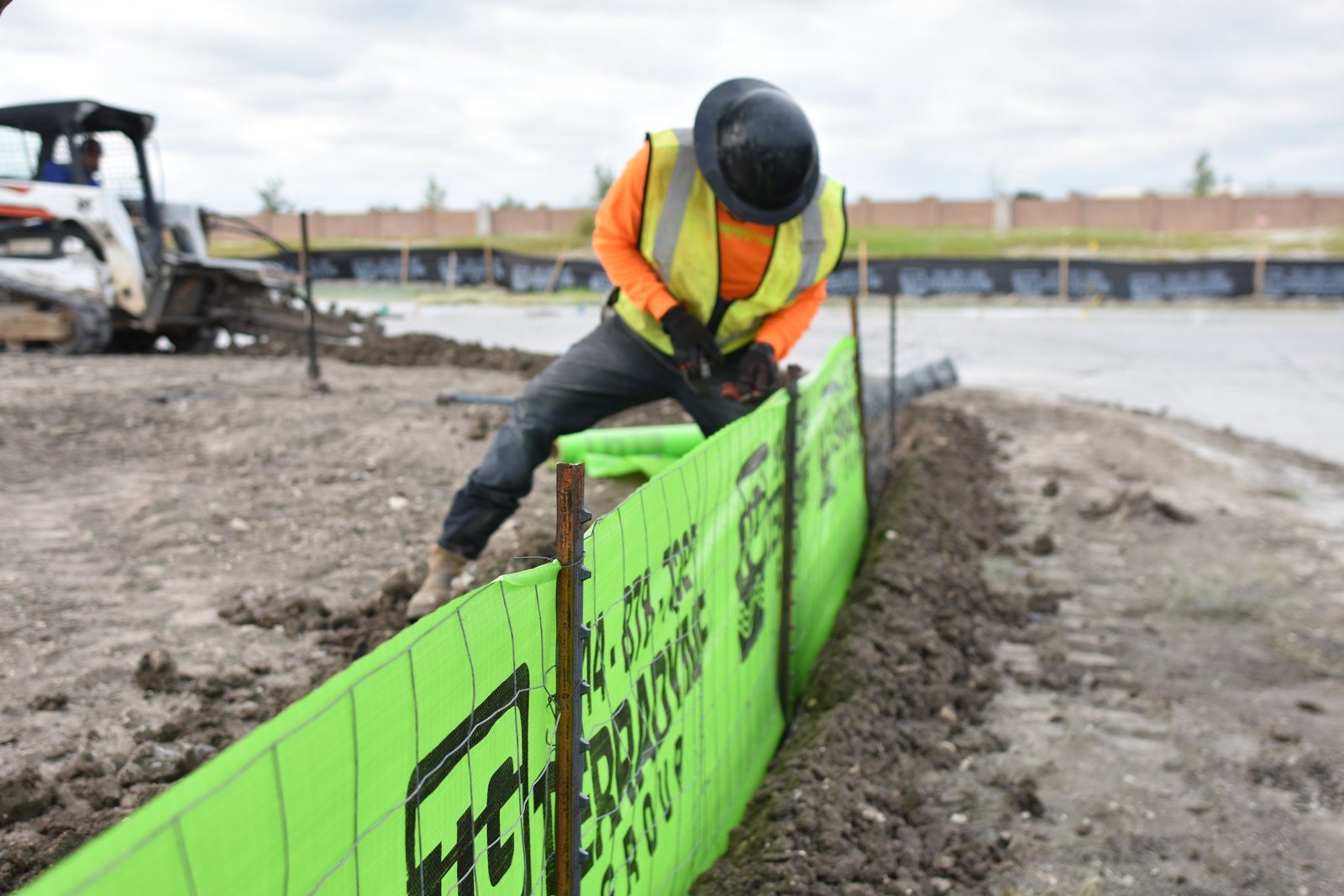
A site's compliance record starts before the first machine arrives. A stormwater pollution prevention plan (SWP3) must be prepared and implemented before construction activities begin. Operators of regulated construction sites must post a signed TCEQ construction site notice and maintain it at the site until final stabilization is achieved. Terradyne writes the plan, makes the filing, and installs the first controls in one mobilization, so nothing waits on a second vendor.
While the site is open
Inspections on the clock, findings closed out
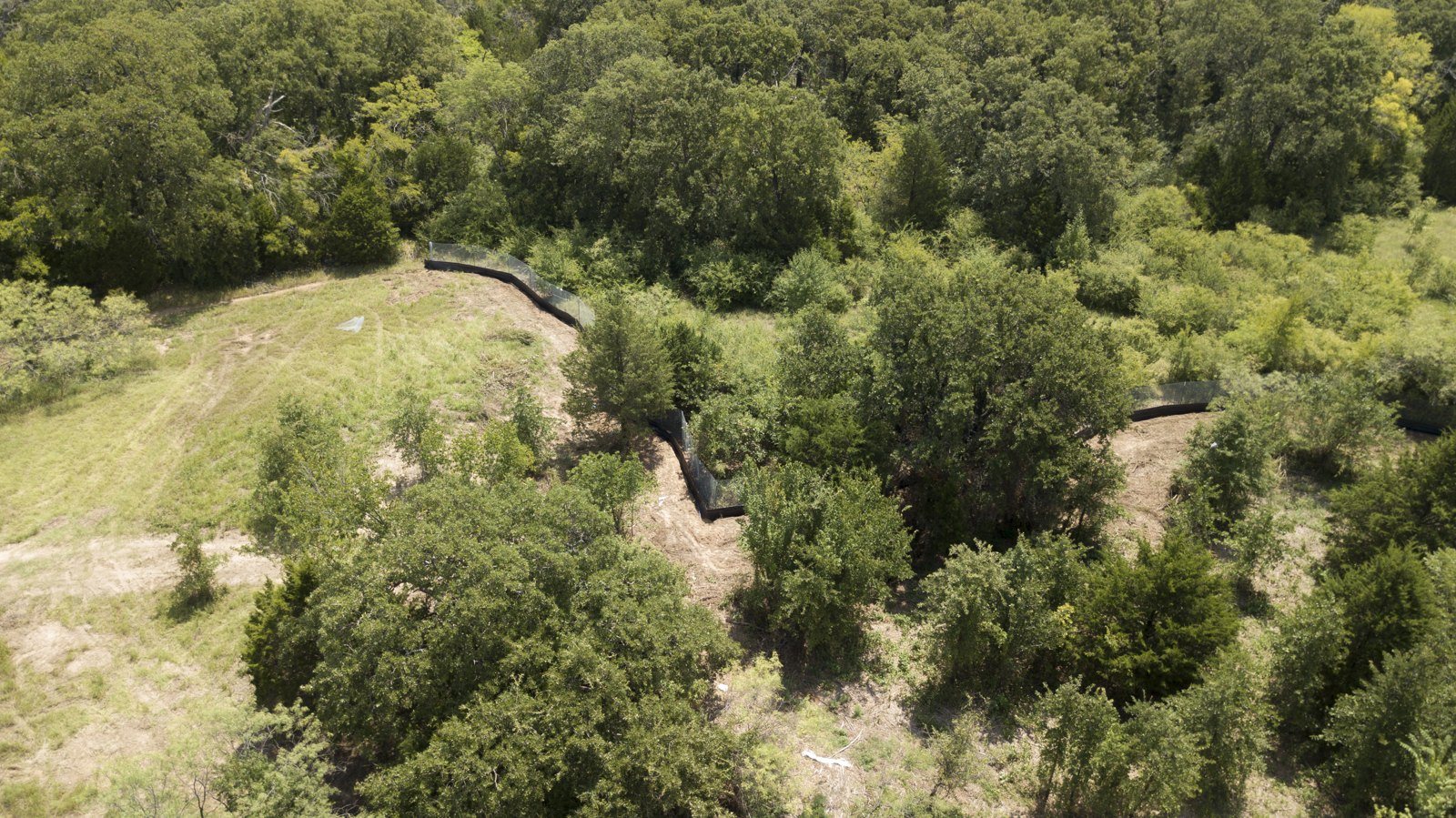
Then the site runs on the permit's rhythm. TXR150000's standard schedule requires construction site inspections at least once every 14 calendar days and within 24 hours of the end of a storm event of 0.5 inches or greater. As an alternative to the standard schedule, TXR150000 allows the SWP3 to be developed to require inspections at least once every seven calendar days — and on that schedule, the inspection occurs regardless of whether there has been a rainfall event since the previous one. Where the local MS4 program demands more, the site runs to the stricter rule. An unresolved item stays active until the inspector verifies completion — the same action-item ID carries forward each week. An item closes only when the work is performed, the affected BMP or area is functioning as intended, the associated sediment or pollutant source is removed or controlled, and the closeout note identifies the location, repair method, and verification date. Between walks our crews maintain, repair, remove, and sweep — a control that fails between inspections is still a finding. Findings reach the client as written action items — and closing one can be a single call, with Terradyne's own field crews performing the fix if the client chooses.
As it closes out
Stabilized ground, and a file that holds up
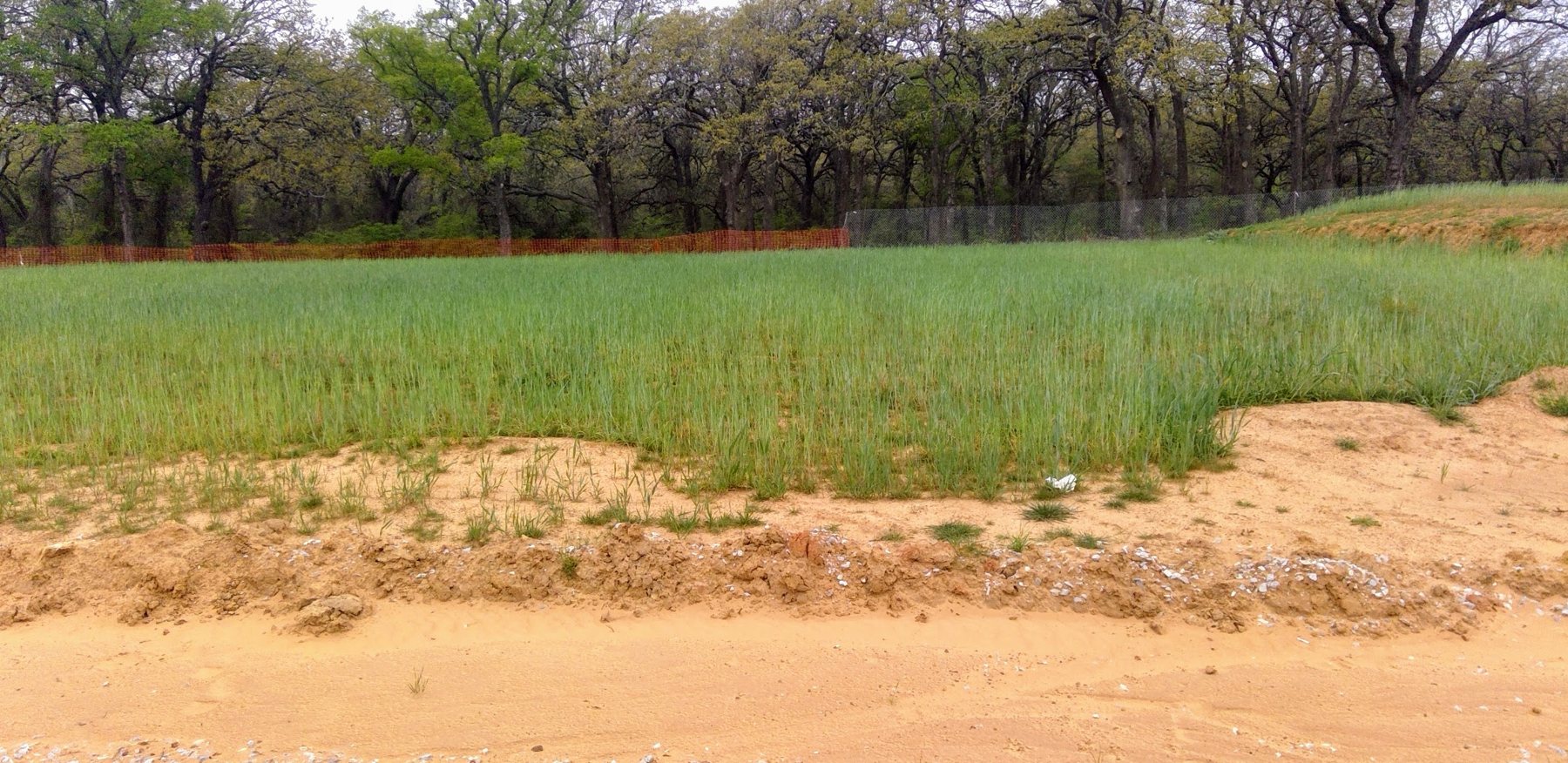
Final stabilization under TXR150000 requires uniform perennial vegetative cover of at least 70% of native background density, or equivalent permanent stabilization measures. Reaching it is what lets coverage end and the controls come out. What stays behind is the record — inspections, corrective actions, and closeout files organized for the day a reviewer, a lender, or a buyer asks to see them.
Every service, by division

SWPPP Services
The compliance half: the plan, the permits, the inspections, and the records that prove all of it — from the first notice to the last.

Erosion Control
The field half: crews that install, maintain, and stand behind the controls the plan calls for — perimeter to outfall, first install to final stabilization.

Site Maintenance & Field Services
The upkeep that keeps a compliant site compliant — maintenance, replacement, sweeping, silt and sediment removal, mowing, and the odd jobs between.

Local Compliance
City-by-city stormwater requirements across the Metroplex, verified against each jurisdiction's own published rules.
Field-proven since 1988
Hundreds of active sites across Dallas–Fort Worth — planned, permitted, installed, and kept compliant.
Everything a site needs, in order
Plans and crews under one roof means the SWPPP and the silt fence never argue with each other — and neither has to wait on a second vendor.
-
Plan and permit
The paperwork that has to exist before a machine shows up.
-
Install the controls
The perimeter, the inlets and the entrances that ring the disturbed ground.
-
Inspect on the clock
Inspections, corrective actions, and closeout files organized so the day someone asks to see them is an easy day.
-
Keep it working
Controls wear out, streets track out, sediment piles up. This is the part that keeps the record clean.
-
Stabilize and close out
Cover that actually establishes, controls pulled in the right order, and the file closed.
Put your project on solid ground.
Send your plans, acreage, and start date — we'll come back with a scope that fits the site and the jurisdiction.